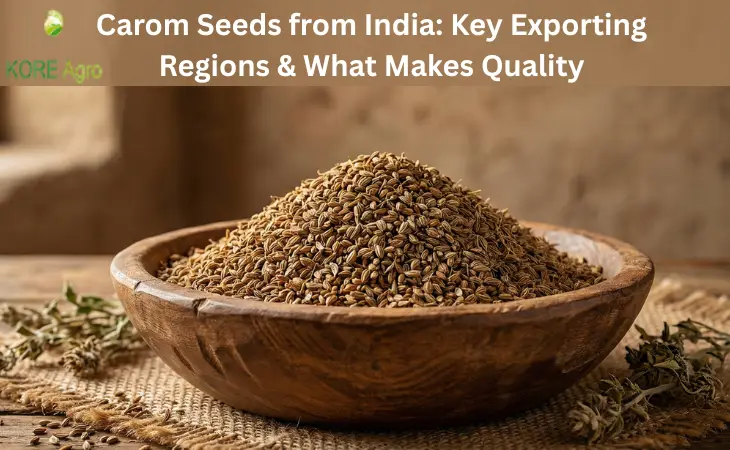
Carom seeds - sometimes called ajwain or bishop’s weed - play a big role in Indian cooking and old-school healing. Tiny but strong-smelling, they come from the Trachyspermum Ammi plant, tasting like thyme mixed with a touch of liquorice. People toss them into pickles, stews, even tummy-soothing mixes; families across India have relied on them for ages. Not just at home, though - India ships tons of these seeds worldwide, especially to places in the Middle East and Southeast Asia. Here’s a look at where inside India most of it comes from, what makes some batches better than others, plus how this bold little spice travels from fields onto dinner tables.
Carom seeds grow on a yearly plant found mainly in India and dry areas nearby. This green herb does well where it’s hot and gets little rain, forming tiny egg-shaped seeds people pick by hand when ready. Once gathered, they’re left to dry out under the sun before being used in cooking or healing practices. In traditional Indian medicine, these seeds help calm stomach troubles like bloating or indigestion while also supporting lung health. They pack lots of thymol inside, which fights off germs naturally - so folks sometimes use them to keep food fresh without chemicals.
In Indian homes, carom seeds pop up everywhere. These tiny spices sneak into flatbreads, lentil dishes, or blends such as warming masalas. Across the globe, chefs now toss them into mixed-cuisine meals or natural wellness products - from plant-based drinks to concentrated extracts. Since India grows more than seven out of ten batches worldwide, it leads the market, shipping goods worth roughly $50–100 million each year.
Carom seeds grow mostly in northern and western India, thanks to a fitting climate. This plant thrives in loose, sandy soil that drains fast - rainfall around 300–500 mm works best. It likes warmth, needing temperatures from 20 to 30°C through its cycle. Farmers sow after the rains end; harvest comes months down the line, usually December onward till March.
Farmers across India stick to age-old practices, sometimes growing wheat alongside mustard to keep the soil strong. Still, newer approaches - drip watering, natural fertilisers - are catching on fast to lift harvests and improve crop standards. Bug invasions, especially aphids, plus unpredictable rains make things tough; even so, deep-rooted farming know-how keeps output stable.
Carom seed shipments from India mainly come from certain areas famous for rich soil and strong spice trading ties. While some spots grow large amounts, they still stick to strict quality rules overseas. Here’s a closer look at the leading hubs.
Rajasthan grows most of India’s carom seeds - more than six out of ten come from here. Places such as Jaipur, Jodhpur, or Barmer thrive because the desert air suits the crop just right. Locals grow top-quality seeds, sometimes without chemicals, while good roads and nearby hubs like Mundra port help ship them fast. Buyers in the UAE, Saudi markets, and even the US pay more for these thanks to their clean taste and strong smell.
Gujarat comes in second place, driven by areas such as Kutch and Saurashtra. Because it’s mostly dry land with dark soil, farming thrives there. The seeds grown here are big and rich in oils - these boosts sales abroad, especially for medicine makers. Goods move out through ports at Kandla and Mundra, shipping large volumes to Asian and European markets, accounting for nearly a quarter to a third of India’s export share.
Madhya Pradesh - especially places such as Gwalior and Indore - is witnessing more farmers grow carom seeds. Thanks to rich soil, harvests here are strong, while shipments head mostly to nearby nations, including Nepal or Bangladesh. Over in Uttar Pradesh, spots like Agra plus Meerut lean toward natural-growing methods, aiming at buyers who care about wellness. Combined, these two regions handle roughly 10–15% of overseas sales; meanwhile, new funding flows into local packaging hubs.
Elsewhere, places such as Haryana or Punjab add modest output yet grow stronger via shared farm efforts. Taken together, these zones gain support from state programs - take the National Horticulture Mission - that push broader spice crops.
Good quality matters a lot when selling spices, especially carom seeds. Whether it’s shops or factories buying, they want clear traits that guarantee taste, strength, and cleanliness. What sets Indian carom seeds apart? These points explain exactly that.
Purity matters most. While mixes with lower-cost stuff - say, fennel or coriander - are typical, real Indian carom gets strict checks. Dampness needs to stay below 10%; otherwise, mould can grow. Meanwhile, trash such as grit or dirt should barely show up. Labels, including ISO or organic approval, help build trust.
The true sign of good quality? Oil output - best if it's between 2 and 5 per cent. When thymol levels hit 30 to 50%, that’s what makes it work well for cooking or healing. Seeds from Rajasthan in India usually pack this punch, which is why they’re a popular choice for pulling out essential oils.
Good stuff begins on the farm. Once harvested, seeds get cleaned and then left to dry under cover so their natural oils stay intact. These are stored in sealed packs to keep them fresh. For global shipping, items go into vacuum-packed pouches that carry tracking labels - this way, they fit rules set by groups such as the FDA or European regulators.
Soil quality, climate conditions, plus how crops are grown all matter a lot. Growing without chemicals helps keep nature strong instead of weakening it. After harvest, care counts - heavy drying saps taste, whereas bad storage invites pests.
India’s carom seed shipments abroad keep rising, thanks to Middle Eastern cooking needs as well as Western interest in natural wellness products. Top buyers are the UAE, Yemen, along the United States, where these seeds go into herbal drinks or medicine making. Still, unstable prices - linked to unpredictable harvests - and rivals such as Iran create ongoing hurdles.
To keep things top-notch, exporters focus on boosting worth - like turning stuff into powder or pulling out oils. Online shops are creating fresh paths, letting sellers reach buyers straight away.
As more people worldwide turn to plant-based solutions, India’s carom seed sector sees strong potential. Improving standards and overseas sales means paying close attention to:
Studies plus trials: growing crops that give more harvest while fighting off sickness. Sustainability means encouraging green habits - so people can grow food without chemicals.
Marketing: Positioning Indian ajwohon as high-end by using verified labels. Farmers might gain fairer prices through team-ups, yet buyers ought to pick trusted sources to get the real deal.
In short, Indian carom seeds carry the nation’s spice legacy forward - Rajasthan, along with Gujarat, tops in shipping them out. Their standout traits? Cleanness, strong smell, maybe sharp kick - that’s what makes these different. With more people wanting them now, local spots across India are set to take charge, mixing old ways but also new tricks for tasty times ahead.