I understand how overwhelming it can be to sift through artificial colors in everyday foods, especially when you're seeking safer, natural options for your family or business. Annatto seeds offer a warm, reliable solution, delivering vibrant hues straight from nature without synthetic worries. This ancient seed is surging in popularity for good reason-let's explore why it's a confident choice for health-conscious cooks and food makers everywhere.
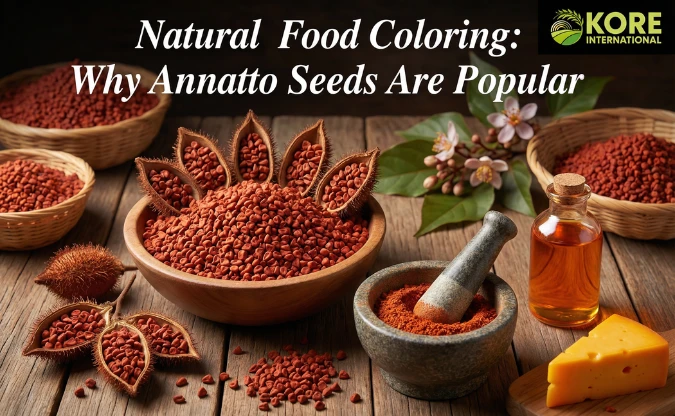
Annatto seeds come from the achiote tree (Bixa orellana), a tropical plant native to Latin America but now grown worldwide, including parts of India. These small, brick-red seeds coat the tree's spiky pods and pack carotenoids like bixin and norbixin, which create their signature yellow-to-orange-red shades.
For centuries, indigenous communities used annatto seeds not just for coloring but also body paint and textiles-now, they're a staple in modern kitchens. Their slightly peppery, nutty flavor adds subtle depth, making them more than just a dye.
You're in good hands with annatto; it's simple, natural, and reassuringly versatile for everyday use.
Consumers today crave transparency, ditching synthetic dyes linked to hyperactivity in kids and other concerns. Annatto seeds fill this gap perfectly, accounting for about 70% of natural food colors globally due to their stability and appeal.
Regulators like the FDA deem annatto "exempt from certification," meaning it's trusted without extra testing- a professional nod to its safety profile. In India, where spice culture thrives, annatto enhances everything from snacks to sweets, aligning with clean-label trends.
This shift feels supportive because it empowers you to choose ingredients that nourish rather than just decorate.
Annatto seeds shine with antioxidant power from carotenoids, helping combat free radicals that contribute to aging and disease. Studies show they boost antioxidant activity in foods like meat patties, extending freshness naturally.
Their antimicrobial edge fights bacteria like E. coli and Staphylococcus aureus, plus fungi, making colored foods safer longer-ideal for busy households. Eye health gets a lift too, as norbixin may reduce age-related macular degeneration risks in animal studies.
Confidently stock annatto seeds; they're a decision-ready upgrade for vibrant, healthful meals.
Annatto seeds transform ordinary dishes into eye-catchers-think golden rice, fiery cheeses, or creamy sauces. Soak them in oil for "achiote oil" to color and flavor stews, or grind into powder for butter and yogurt.
In Latin cuisines, they're essential for cochinita pibil Filipinos love them in longanisa sausage. Dairy giants use annatto for cheddar's orange glow, proving its heat and light stability.
Easy tip: Simmer 1 tablespoon seeds in ½ cup oil for 10 minutes, strain, and store-your homemade colorant is ready, reassuringly simple.
Annatto seeds support immunity with germ-fighting properties, inhibiting pathogens in lab tests. Anti-inflammatory effects may ease swelling, as seen in rat studies blocking bradykinin.
Bone health benefits emerge from geranylgeraniol, aiding density without dairy overload. While generally safe, rare allergies exist-start small if sensitive, but most enjoy worry-free benefits.
This natural boost feels empathetic, like nature's gentle hand in your wellness routine.
Unlike tartrazine or Red 40, annatto avoids hyperactivity links and chemical aftertastes. It's economical-stable in pH changes, heat, and light-perfect for industrial baking or snacking.
Versatile forms (oil-soluble bixin, water-soluble norbixin) fit any recipe, from ice cream to sausages. For Indian markets, it complements turmeric for bolder shades without overpowering spice profiles.
Choose annatto confidently; it's the authoritative pick for clean, appealing foods.
| Feature | Annatto Seeds | Synthetic Dyes |
|---|---|---|
| Source | Natural (achiote tree) | Chemical labs |
| Color Range | Yellow-orange-red | Any hue, but artificial |
| Health Boost | Antioxidants, antimicrobial | Potential hyperactivity risks |
| Stability | Heat, light, pH tolerant | Varies, often less stable |
| Approval | FDA exempt | Requires certification |
| Market Share | 70% natural colors | Declining due to bans |
Look for whole annatto seeds in ethnic markets or online-vibrant red signals freshness. India sources them affordably from tropical farms, often blended with local spices.
Store airtight in a cool, dark spot for up to two years; grind fresh for max potency. Powder or extract suits convenience, but whole seeds offer purity you can trust.
Your kitchen deserves this supportive staple-stock up without second-guessing.
Rarely, annatto triggers allergies mimicking nuts, but incidence is low (around 0.5%). Opt for pure forms and patch-test if cautious.
Pregnant folks or those with sensitivities should consult doctors, though everyday use is safe per health authorities. Moderation keeps it reassuringly beneficial.
Clean-label demands propel annatto into plant-based cheeses, snacks, and beverages-2026 sees it booming with vegan rises. Brands leverage its Instagram-worthy hues for eye-popping products.
In India, fusion recipes pair annatto with paneer or biryanis, wedding tradition with health. Exporters eye global demand, making local sourcing smart.
Embrace this trend; it's your professional path to standout, natural foods.
Steep annatto in warm water for rice coloring, or infuse butter for naan-simple swaps yield pro results. Experiment confidently; recipes abound online for guidance.
Annatto seeds reassure with their proven track record, blending beauty, flavor, and wellness seamlessly. You've got the knowledge-dive in and color your world naturally. Your health and taste buds will thank you.