Star anise is a star-shaped spice that adds a strong liquorice flavour to dishes - and sometimes natural remedies - used in both kitchens and traditional medicine for ages. In India, where taste matters above all, this ingredient feels completely at home. It livens up biryanis or simmers inside cosy herbal teas - either method wins fans fast. Yet despite growing countless spices locally, India doesn’t produce much star anise itself, meaning nearly all of it arrives from overseas. This article checks its growth, today’s options, and also why overseas sources stay on top across India. Love spices? Maybe you grow them or manage a store - spotting these shifts could show where this uncommon herb’s local path leads.
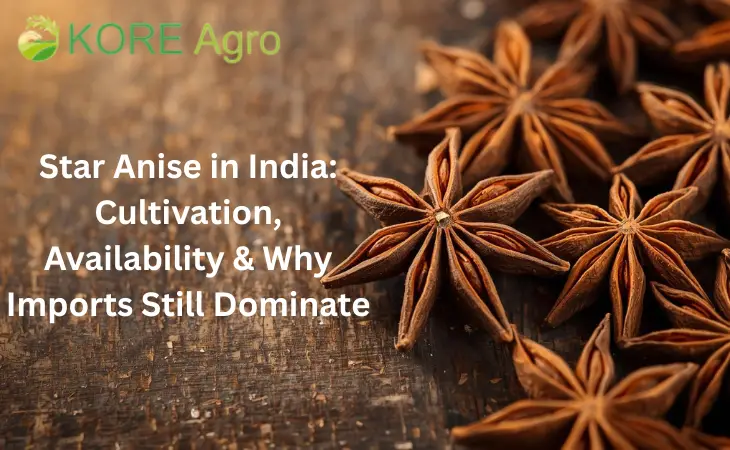
Start by checking out star anise before exploring its role in Indian cooking. Scientists call it Illicium verum - it comes from a small evergreen tree popping up in places like China and northern Vietnam. It stands out because of how it looks: several pointy pods fanning outward in a star pattern, each cradling tiny seeds. Inside those bits is a bold flavour similar to liquorice, driven mostly by a natural compound named anethole. Yet beyond flavouring meals, folk remedies in traditional Chinese practice have relied on it, particularly for coughs or issues with breathing. Here’s a twist: certain treatments include it, like that well-known flu medication called Tamiflu.
Globally, China tops the list for Illicium verum - over 90% comes from there. Vietnam, together with Laos, still handles quite a bit. In India, folks mainly cook it into dishes, say, boosting flavour in Kerala's seafood or getting mixed into blends up north. Its rise lately? Blame shifting tastes - fusion foods on one side, herbal health picks on the other.
India produces plenty of spices - cardamom, chilli, turmeric - the list goes on. Yet star anise? Not so much; just scattered spots bother with it. Here's the real way growers raise this one unique spice.
Star anise thrives in hot, damp spots with soil that flows freely and holds rich goodness. Yet it manages fine from 300 to 1,000 meters high, where temperatures hang around 15–30°C. When it comes to moisture, plenty of rainfall - about 1,500 to 2,500 mm yearly - is key, though a bit of shade helps just right. That’s why hilly or uneven terrain fits so well. In India, locales such as Kerala, Karnataka, and Tamil Nadu match these traits, along with northeaster zones like Assam and Meghalaya.
The tree takes about five to seven years until it starts bearing fruit, yet picking happens annually. Farmers often plant seeds or cuttings to grow more trees, though sticking to organic ways keeps everything pure and crisp.
In India, star anise is grown only a little, mostly by solo farmers on tiny land. Kerala does better, particularly places like Idukki and Wayanad - spots famous for this spice. After that, Karnataka and Tamil Nadu follow, where cultivators add it into shared spice gardens alongside pepper or cardamom rather than raising it alone. Farming ways are traditional - locals harvest pods manually, then spread them outside to air-dry, preserving their core oils naturally.
Even so, issues show up all over. Bugs - say, aphids - or sick roots from rot can kill crops quickly. Rain changes without warning, messing with yields. What’s more, raising these plants means heavy lifting: careful snipping and hand-harvesting, which seems less worth it when stuff like coffee or rubber pays better.
Despite the hurdles, outfits like India’s Spices Board are backing Illicium verumfarming. Workshops show growers greener techniques - meanwhile, demand for organic tags is rising to attract premium markets.
Star anise doesn’t pop up much in India, but spotting it is getting easier. Home production sits around 100 to 200 metric tons yearly, whereas demand climbs way above, between 1,000 and 2,000 tons. Since supply falls short, merchants import from overseas; that’s why urban shops, niche spice vendors, or online platforms tend to carry it.
In places where it grows, you’ll find star anise - fresh or dried - at local markets. Over in Kerala, like at Kochi spice stalls, small deals pop up from time to time. Farmers earn decent cash - the dried kind sells for Rs. 500 to 1,000 per kg, depending on quality. But activity stays low; most of the harvest goes to personal use or short-distance sales.
Seasons affect how much is around. From December to March, supply peaks since people want warm drinks and bold flavours when it's cold. You can find it in cities like Mumbai, Delhi, or Bangalore - look in supermarkets or small speciality stores. It’s often labelled "Chinese star anise," named after its origin.
Farming’s hard when space is tight. Still, star anise covers only 500–1,000 hectares nationwide. Its scarcity means prices swing and availability shifts. On top of that, local quality? Often falls short of imported ones, so flavour or potency might suffer.
Fair point - sites like Amazon or local apps simplified hunting down items. Buyers grab genuine Illicium verum from reliable sellers, backed by reviews and strong promises.
Although efforts exist to boost local production, Indian star anise mostly arrives from China or Vietnam. Not just supply - costs shape this trend, along with harvest rules and shipping routes. Why? Old-fashioned equipment holds things back.
India produces far smaller amounts compared to the leading nations annually. Take China - they pump out over 50,000 tons, slashing prices thanks to big-scale output. Local growers face small plots alongside high costs, making competition rough. As a result, around 80–90% of the star anise consumed in India is brought in from overseas.
Imported star anise tends to carry higher levels of anethole - up to 5–6% in some cases - giving it a stronger flavour along with more reliable effects in treatments. In contrast, homegrown Indian varieties can vary widely due to differing farming practices across regions. Yet plenty of buyers prefer overseas pods thanks to their uniform quality; that predictability is key for pharmaceutical producers or large-scale cooking operations.
Shipping large loads helps lower import costs, whereas established routes reduce expenses further. Since duties on star anise remain minimal, importing stays affordable. Homegrown production faces higher labour pay, transport charges, or added admin fees. Besides, India focuses its effort on other spices, leaving Illicium verum out of the picture.
Shipping's a big deal too. Star anise from overseas arrives via Mumbai or Chennai – those ports run smoothly. But local transport? It’s all broken into pieces, leading to delays and spoilage. What’s worse, global demand is rising for health products using it; even so, India barely ships any out because checks are super tight.
Although leaders want more types of spices, star anise is often overlooked compared to pepper or turmeric. Since plenty of farmers aren’t aware of its profit potential, they hesitate to plant it. Climate changes bring hotter conditions - sudden heat waves damage crops.
The outlook for star anise in India looks promising - wellness trends plus curiosity about spice tours are helping. Since relying on imports brings issues, players might focus more on homegrown farming instead.
Boost harvests by cutting expenses while teaching practical skills - this expands farmland gradually. Farming works better when clever tricks are used, while testing fresh crops by doing real-world trials. Taking basic stuff to make oil or blends increases value. On top of that, creating ready-mixed products reveals fresh options. In contrast, changing raw inputs into concentrates gives higher profits. As an example, upgrading components makes you more noticeable.
Sustainability means supporting eco-friendly farming to catch global buyers’ attention - using smart choices that skip old habits while keeping things real and clear. Buyers may support local efforts by choosing regional Illicium verum when available. Then again, farmers might benefit from niche spots like organic-certified or fair-trade options.
In short, cultivating Illicium verum in India carries tradition plus potential - though imports dominate due to size, quality, or price. Tackling these gaps could flip it from an import to a homegrown favourite. Brew it in tea or try it for wellness - it reflects how spices evolve through the years.