Top Cocopeat Suppliers in India: How to Choose the Right One for Your Farming Needs
Cocopeat suppliers in India – or coir pith – is made from coconut shells yet acts like a plant sidekick. Rather than being tossed out, this scrap now powers gardens, fields, and even hydroponic systems. Because India produces loads of coconuts, farmers there are using cocopeat way more these days. It improves soil texture while trapping water, all without damaging the environment. Whether growing greens, flowers, or cash crops, roots stay aired out, pH stays steady, plus nutrients stick around longer. Still, with more people wanting it, choosing the right seller could tip things toward success or setbacks for your farm. Check out the top cocopeat suppliers in India - along with practical tips that help you land the best match.
What is Cocopeat and Why is it Essential for Farming?
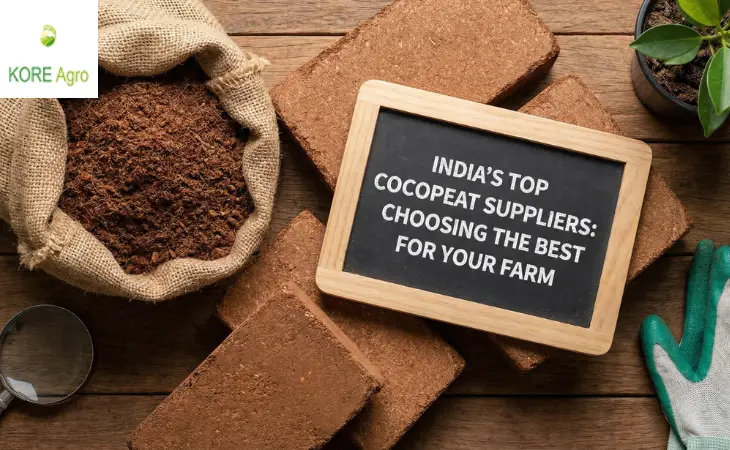
Cocopeat suppliers in India are what's left after taking out coir from coconut shells - just the scrap material. That waste turns into blocks, squished bricks, or fluffy bits used in gardening. Some people grow plants in this alone, skipping soil altogether. Rich in lignin and fibre, it grabs moisture fast - one part holds nearly ten parts water. Because it traps plenty of water, watering isn't needed every day. Thanks to a neutral pH - typically around 5.5 to 6.5 - it suits lots of plants, from tomatoes to picky orchids.
In Indian agriculture, cocopeat helps fix problems like eroded earth, dry spells, or chemical overload - using rain-fed regions instead. Areas such as Kerala, Tamil Nadu, and even parts of Karnataka - with vast coconut farms - produce most of this material. Farmers use it for starting seeds, mixing into pots, besides growing fungi on trays. It decays slowly yet regrows quickly, matching India's shift toward greener harvests. With organic eats rising around 20% yearly, demand for cocopeat just climbs higher.
Top Cocopeat Suppliers in India
India has many cocopeat suppliers – some small neighbourhood outfits, others major global shippers. Output volume, quality checks, or reputation in business networks help certain individuals get noticed more. A handful focus on local farmers; meanwhile, several send stock abroad – yet everyone keeps shipments moving without hiccups.
- Coco green:Coco green is the top at turning coconut waste into growing material in Kerala. Known for pure, low-salt batches that thrive in hydroponic systems. You can get it washed or adjusted - your choice. Sending to over fifty countries while using solar-powered plants to stay earth-friendly. Farmers rely on them for frequent bulk purchases. Price-wise, it’s roughly Rs. 5–8 a kilo when you buy large quantities.
- Cocopeat India: Outtalk Pollachi, Tamil Nadu, Cocopeat India crafts organic cocopeat bricks and pads. Holding ISO 9001 certification, they specialise in eco-safe packing options. Perfect for backyard farmers, shipping lands at your doorstep - custom mixes included. Every lot’s tested against nasty bugs, making it solid for growers targeting worldwide sales.
- Sai Cocopeat: Sai Cocopeat, operating out of Andhra Pradesh, focuses on improved coconut products - like grow bags or dense pellets. Rather than bringing stuff in from abroad, they grab raw material directly from local coir mills, which helps hold prices around Rs. 4–6/kg. Their lively online presence draws urban gardeners and plant retailers fairly often; actual customer reviews point to reliable results.
- Kerala State Coir Corporation : A government team in Kerala produces cocopeat, carefully watching every step. So, tiny cooperatives receive stock just like large plantations - pick based on feel, whether fine dust or rough bits. Prices stay down, backing local farmers who stick to fair deals. Their blend shows up in plenty of community farm projects around the area.
- Coir Board of India: Even when they’re not selling themselves, the Coir Board hooks buyers up with solid growers across India. Quality’s key - so they keep an eye on stuff like EC levels, which should sit below 1 mS/cm for premium cocopeat. If you’re into farming and hunting for dependable suppliers, their line-up cuts through the noise quickly. Starting might feel tough, but this backup simplifies choosing decent stock a lot.
- Green Coir : Green Corie, based in Karnataka, offers smart gardening tools like cocopeat blocks for seedlings. Rather than conventional ways, they rely solely on organic stuff while meeting HACCP standards. Because shipping abroad matters most, bulk buys come with better rates - perfect for large farms. Besides that, their customer crew gives planting tips, so you gain knowledge along with products.
- Coco Peat Exports: From Maharashtra, Coco Peat Exports manages it all - compact bricks or ready-to-use mixes. Each shipment is logged, showing it comes from farms that protect woodlands. Price shifts with grade, but eco-certifications grab farmers' attention. Lately, moving sales online, skipping brokers entirely.
These sellers stay ahead thanks to India’s coconut region - though watch closely, as new players show up every so often.
How to Choose the Right Cocopeat Supplier for Your Farming Needs
Selecting a cocopeat supplier isn't just about price - what your farm actually needs counts way more. Use this quick guide to make a smarter pick.
- Assess Your Farming Requirements:Determine which cocopeat works best for your job - blocks when mixing, discs when filling pots, loose kinds to cover wide spots. Pick low-salt versions for soil-free grows; choose chunkier bits to improve outdoor beds. Consider usage size - a couple of hundred kilos might suit home growers, while larger setups move tons.
- Prioritise Quality Certifications:Look up suppliers with legit certifications like ISO, HACCP, or organic labels - this helps make sure the cocopeat is clean. You’ll want a stable pH and low salt, so it doesn’t mess with your plants. Instead of guessing, check test results for electrical conductivity, moisture, along particle size. If you’re raising sensitive crops, aim for an EC under 1 mS/cm.
- Evaluate Price and Value:Pricing’s anywhere from Rs. 3 to 10 per kg - depends on how good it is and your location. Look into bulk buys, but keep in mind shipping costs pile on fast. Things like custom blends or guidance might justify extra cash. Go for super cheap? Not smart - it can wreck results.
- Check Reputation and Reviews:See what folks share online - peek at Google, India mast, or chat spots for farmers. Pick those who earn praise for showing up when promised while holding quality consistent. Grab advice from nearby growers you're familiar with.
- Consider Sustainability and Ethics:Pick suppliers who care about eco-friendly ways - like using sunlight for energy or being kind to their staff. This helps the planet while keeping your stock reliable later on. Organisations linked to government setups, like the Coir Board, often follow honest practices.
- Logistics and Support:Evaluate delivery options – does the provider handle nationwide shipping? For international needs, check if they’re set up for exports. Reliable sellers offer ongoing support, such as instruction guides or troubleshooting when gear malfunctions.
- Sample and Test:Test a small bit before going big. See how much water it soaks up, sniff for odour - it should be fresh-smelling - then watch how much it expands once damp. Trying it first-hand means no weird let-downs down the road. Follow these steps, or you could get poor-grade cocopeat - junk that may harm your plants.
Benefits of Choosing the Right Supplier
Farms function smoothly when teamed with trustworthy suppliers. Quality cocopeat boosts seed development, cuts down fertiliser use, also lifts crop yields. In arid zones, this means water is saved, and costs drop roughly 20–30%. Besides that, it supports the environment by recycling coconut waste.
Cocopeat suppliers in India are shaking up farming all over India, offering farmers something new instead of traditional soil. Companies like Coco green or Cocopeat India are leading the way, making quality products more available. Go by what counts - clean material, solid testing, plus how things fit your space - and you’ll land on a match. Whether it's a small patch or wide fields, picking wisely brings healthier crops while being kinder to the environment. Check out choices today, try a sample - the future harvest begins with this step.